How Restaurants Can Use Holiday Gift Card Promotions to Boost Sales and Customer Loyalty

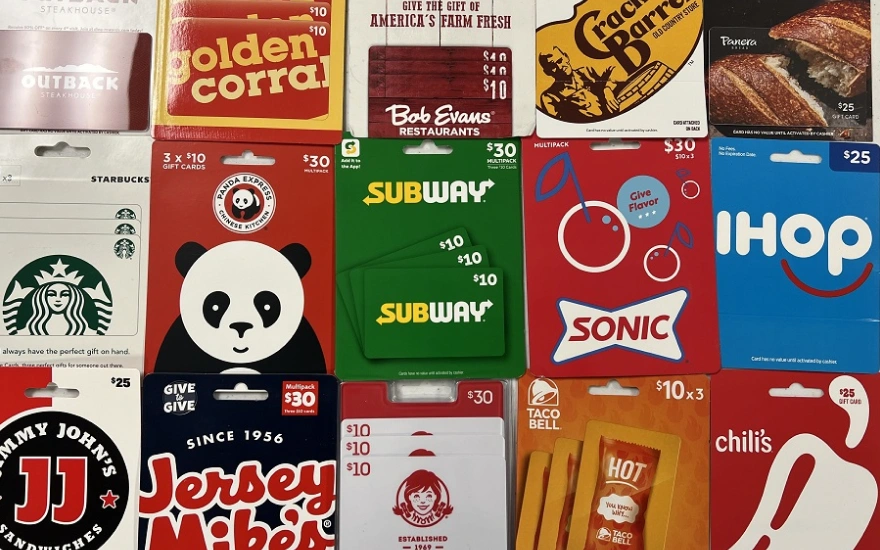
The holidays are the busiest — and often most profitable — time of year for restaurants. Between festive dining reservations and seasonal catering, there is another revenue driver that stands out: restaurant gift card promotions. From national chains like Applebee’s and Panera to local favorites, restaurants of all sizes are leveraging these programs to attract new diners, motivate staff, and extend sales into the new year. As consumers increasingly seek convenient and flexible gift options, gift cards offer a simple way to drive revenue while deepening guest relationships.
Why Are Restaurant Gift Card Promotions So Effective During the Holidays?
The holiday rush brings a wave of consumer spending that few other periods can match. According to the National Restaurant Association, 59% of adults plan to gift restaurant gift cards for the holidays. This percentage is even higher with the younger generations, as 74% of Gen Z adults and 70% of millennials are expected to gift restaurant gift cards. This widespread appeal stems from both emotional and practical motivations: gift cards are easy to give, universally appreciated, and allow diners to choose their favorite meal or experience.
How Gift Cards Drive Both Immediate and Future Revenue
Unlike traditional coupons or discounts, gift cards deliver two major revenue advantages:
- Immediate cash flow: The restaurant earns revenue upfront when the card is purchased, helping balance cash flow during high-expense months.
- Extended engagement: Many redemptions occur after the holidays, helping stabilize post-season slumps.
Consider a $50 holiday gift card sold with a $10 bonus card offer. The initial sale captures $50 immediately, while the bonus card encourages a future visit that may easily exceed its face value. Moreover, unredeemed balances — or “breakage” — represent additional profit for the business, though tracking this responsibly is key for compliance and forecasting accuracy.
What Are the Most Profitable Types of Restaurant Gift Card Promotions?
Successful holiday campaigns often hinge on creative incentives that appeal to both value seekers and brand loyalists. The most common and profitable offers combine financial rewards with memorable dining experiences.
Cash-value bonuses, such as “Buy $50, Get $10 Free,” remain a proven winner. According to MoneyTalksNews (Dec 2024), national chains like Outback Steakhouse and Fogo de Chão have used these offers to drive substantial gift card sales during the holiday season. Other restaurants prefer experience-based rewards — offering free desserts, BOGO entrées, or priority reservations — which often deliver higher perceived value at a lower cost.
Best Practices for Gift Card Promotions
To maximize profitability, operators should:
- Digitize processes. Offer both physical and digital gift cards with tracking integrated into the POS system. This streamlines redemption and allows for real-time sales reporting.
- Promote cross-location usability. Versatile cards drive more redemptions and maintain brand consistency across franchises or multi-unit operations.
- Encourage upselling at redemption. Train staff to suggest higher-margin items when customers use gift cards, turning a redemption into an opportunity for incremental revenue.
Together, these strategies ensure that every gift card sold becomes more than a one-time sale — it becomes a revenue multiplier.
How Can Restaurants Use Gift Card Promotions to Build Customer Loyalty?
Holiday campaigns present a prime opportunity to connect restaurant gift card promotions with existing loyalty programs. When done well, they turn one-time gift card buyers into repeat guests who engage with the brand long after the season ends. The key is to treat every gift card purchase as the beginning of a customer relationship rather than a single transaction.
Restaurants that integrate loyalty platforms or customer relationship management (CRM) systems can track both gift card purchasers and recipients, then use that data to tailor offers based on real behavior. For example, automated reminders about unused balances nudge customers back through the door, while bonus reward points tied to gift card redemption can accelerate enrollment and repeat visits. Targeted follow-up messages can encourage gift card buyers to participate in future promotions, since they have already demonstrated interest and spending intent. Over time, these personalized, data-driven touches strengthen customer loyalty by making every interaction feel relevant and rewarding.
Incentivizing Repeat Visits Through Tiered Rewards
Tiered redemption structures can enhance customer retention. For instance, offering “redeem $20, get an extra $5 on your next visit” incentivizes additional spending while giving diners a reason to come back. Pairing this with digital tracking through the POS or CRM enables restaurants to monitor engagement and measure return on investment accurately.
Restaurants that combine personalization with convenience — like scheduling automated follow-ups after redemptions or offering holiday-specific reward tiers — are far more likely to build lasting customer relationships beyond a single season.
How Should Restaurants Market Their Gift Card Promotions?
Even the most compelling offer requires strategic promotion. Omnichannel marketing — combining social media, email, in-store signage, and community partnerships — ensures maximum visibility for restaurant gift card promotions.
According to GiftCard Partners, in 2024, 60% of gift card purchases were digital, and mobile wallet–based gift cards surged by 50%. That means optimizing mobile-friendly sales pages and promoting through SMS or loyalty apps can significantly increase conversions.
Leveraging Digital Channels to Promote Restaurant Gift Cards
- Social Media: Visual platforms like Instagram Reels are ideal for short, festive posts highlighting gift card specials or bonus offers.
- Email Campaigns: Personalized messaging targeting regular diners or loyalty members strengthens relationships.
- Local Advertising: Geo-targeted ads through Google Business listings help capture nearby holiday shoppers searching for last-minute gifts.
Launching campaigns in early November and maintaining visibility through January supports both pre-holiday sales and post-holiday redemptions.
What Are the Pitfalls to Avoid in Restaurant Gift Card Promotions?
While gift cards can be profitable, poor planning can undermine results. Here are common pitfalls, and how to avoid them:
- Over-discounting: Deep discounts can erode profit margins. Balance customer appeal with manageable overhead.
- Inadequate redemption tracking: Failure to monitor redemptions can distort financial forecasting. Integrated systems prevent this.
- Non-compliance: Gift cards must meet legal standards for expiration dates and fee disclosures.
Transparency and accurate reporting are non-negotiable. Restaurants should review compliance policies annually to ensure clear communication with guests and proper accounting for breakage and expired cards.
When Should Restaurants Launch and End Their Holiday Gift Card Campaigns?
The timing of a holiday promotion can make or break its success. Ideally, restaurants should begin marketing gift card promotions in late October or early November — aligning with early holiday shoppers — and continue through January to capture post-holiday redemptions.
Synchronizing the campaign with local events, such as corporate holiday parties or family dining peaks, amplifies reach. Internally, aligning promotional schedules with payroll planning allows operators to budget employee bonuses and incentive programs in parallel.
This approach ensures the restaurant maintains both external momentum (guest engagement) and internal alignment (staff motivation and cost control) throughout the holiday cycle.
Can Gift Card Campaigns Also Boost Employee Morale and Retention?
While gift cards appeal strongly to diners, they can also play a powerful role in employee engagement. During the busiest weeks of the year, team motivation is essential. Gift cards can serve as easy, tax-compliant incentives for rewarding strong performance, recognizing attendance, or encouraging participation in promotional efforts.
Staffing shortages remain a top challenge during the holiday season. Implementing internal reward systems — such as offering dining credits or branded gift cards as bonuses — can boost morale and reduce turnover risk.
Ideas for Employee Gift Card Incentive Programs
- Peer recognition rewards: Encourage team members to nominate colleagues for exceptional teamwork.
- Shift completion prizes: Reward those covering extra shifts or staying through high-demand closing hours.
- Gift card sales incentives: Offer commissions or small bonuses for employees who sell the most gift cards during the campaign.
Wrapping Up Holiday Gift Card Promotions for Restaurants
Holiday gift card promotions give restaurants a rare advantage: they generate immediate revenue, sustain guest traffic after the peak season, and deepen customer relationships well into the new year. When operators plan early, track redemptions accurately, and connect gift card activity with their broader marketing and loyalty strategies, these campaigns deliver measurable and lasting impact.