Top 2026 Dining Trends: What Restaurant Owners Need to Know About the Future of Dining

The restaurant industry stands at the edge of a major transformation. From sustainability to artificial intelligence (AI) and experiential dining, the way guests eat, connect, and spend in 2026 will look dramatically different. According to the National Restaurant Association, 2026 dining trends will redefine menus, operations, and technology strategies for restaurants across all segments.
For owners, operators, and HR managers, staying ahead means more than keeping up with food fads — it requires rethinking how teams are managed, how data informs decisions, and how evolving guest expectations shape daily operations. This article explores the top 2026 dining trends, providing actionable insights to help restaurants prepare for the future of dining and maintain a competitive edge.
Why 2026 Dining Trends Matter for Today’s Restaurant Professionals
Every few years, shifts in dining habits, workforce dynamics, and technology reshape the food service landscape. However, what makes the 2026 dining trends particularly important is the speed and scale of change. Rising sustainability demands, post-pandemic consumer behavior, and new sources of innovation are converging at once.
As restaurant operators gear up for 2026, the shifts chefs are spotlighting aren’t just fads — they’re signals about deeper changes in how diners think about food and hospitality. Across the industry, there’s a pivot from novelty toward intentional, meaningful dining — patrons increasingly want meals with provenance, thoughtful flavor profiles, and experiences that feel real rather than performative. Trends like sauce-forward cooking, global flavors with clear cultural roots, and live-fire techniques aren’t merely aesthetic choices; they reflect a larger demand for authenticity and emotional connection at the table, even as technology and efficiency play bigger roles behind the scenes.
For restaurant professionals, paying attention to these trends now matters because they influence everything from menu development and kitchen investment to guest loyalty and brand positioning. Embracing comfort with refinement or elevating humble ingredients (like chicken or citrus pairings) can help businesses resonate with diners who are tightening their spending and seeking value beyond price — they want comfort, connection, and culinary resonance. Understanding these priorities early gives operators a strategic edge, enabling smarter staffing, smarter sourcing, and more intentional guest experiences that aren’t just trendy but lasting.
What Are the Top Restaurant Trends for 2026?
The culinary playbook of 2026 reflects both innovation and intention. Based on the National Restaurant Association’s 2026 Culinary Forecast, several key movements are shaping the year ahead.
- Global Comfort Foods: Classics like smash burgers and international curry bowls are making menus more approachable and nostalgic.
- Sustainability at Every Level: Environmentally conscious dining continues to drive operations, from sourcing local produce to eliminating plastic packaging.
- Experience-First Dining: Guests crave meaningful interactions, from chef’s tables to themed tasting events.
Key Consumer Shifts Driving Demand
Data from OpenTable and Allied Renewal show two emerging consumer priorities:
- Eco-Conscious Eating: Guests are increasingly vocal about sustainability and transparency.
- Experiential Dining: Interactive, story-driven eating experiences help restaurants build emotional connections that contribute directly to loyalty and word-of-mouth influence.
These insights reinforce that successful restaurants in 2026 will combine sustainability with creativity — merging values-based dining with flavor-forward innovation.
How Will Technology Impact Dining in 2026?
Technology now defines the modern restaurant experience — from how menus are recommended to how schedules are created. According to Skydeo, restaurants in 2026 are integrating AI-driven tools to optimize both front- and back-of-house operations.
AI and Automation in Restaurant Operations
AI is transforming everything from personalization to payroll:
- Custom Experiences: Machine learning tailors menu recommendations and promotions based on order history and preferences.
- Kitchen Automation: Robotics assist with consistent food prep, portion control, and waste reduction.
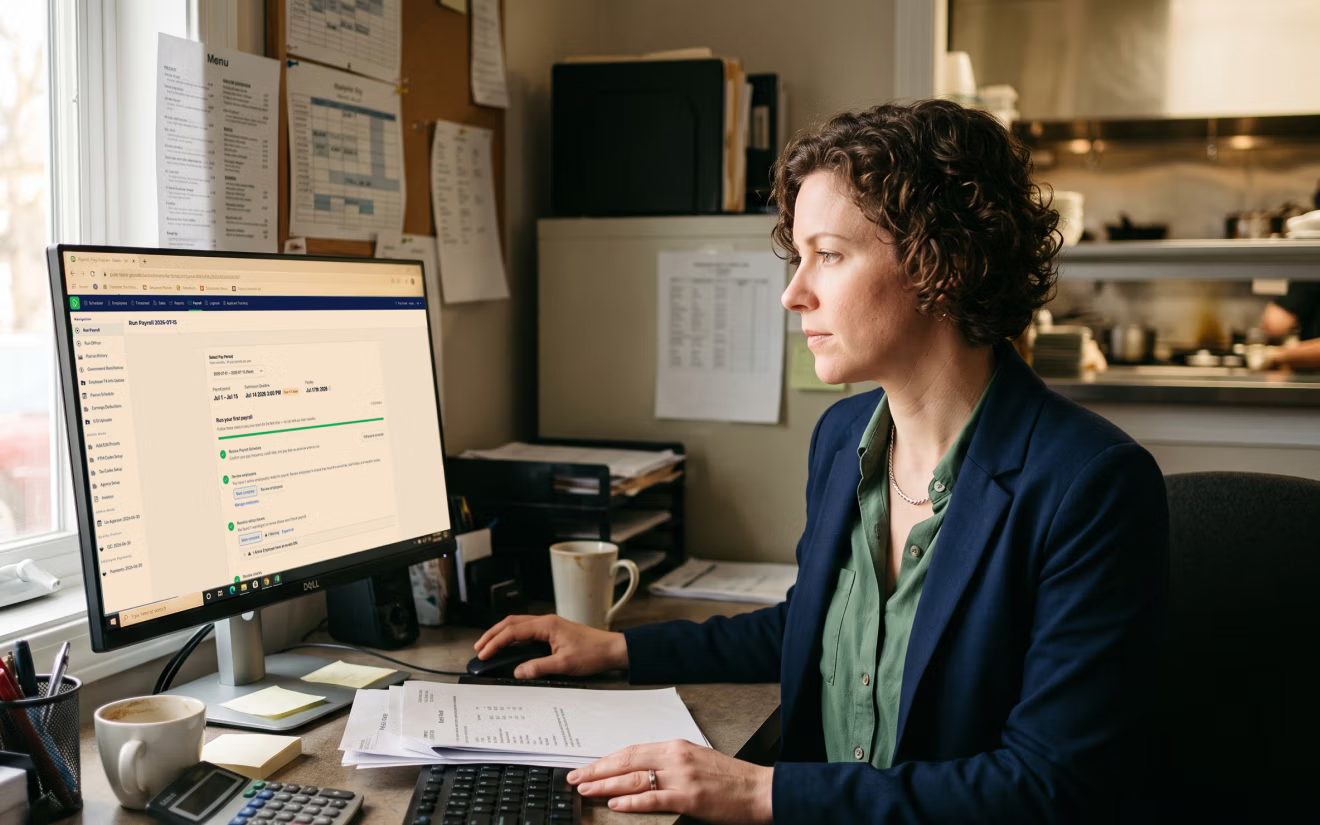
- Labor Optimization: Digital workforce management systems, such as Push Operations, help managers automate scheduling and payroll, ensuring teams stay compliant and efficient as operational needs shift.
With AI handling repetitive tasks, restaurants free staff to focus on creativity, hospitality, and guest engagement — the core of dining success in 2026.
How Will Sustainability Shape the Future of Dining in 2026?
Sustainability is no longer a differentiator — it is a business imperative. The Allied Renewal 2026 forecast highlights a notable rise in zero-waste kitchens and local-first sourcing. Whether through farm-to-table partnerships or renewable energy adoption, restaurants are being measured by their climate commitment as much as their cuisine.
Eco-Friendly Design and Operations
Sustainability extends far beyond ingredients. Energy-efficient appliances, reclaimed materials, and low-impact décor are shaping a new era of visually rich yet eco-conscious restaurant design.
- Embracing low-carbon cooking methods and eco-friendly packaging.
- Reducing food waste through composting or menu planning software.
- Incorporating renewable materials into interiors to create stylish but sustainable ambiances.
Restaurants leading the charge in sustainability often see improved margins through efficiency gains — proof that environmental and operational goals can coexist.
Are Plant-Based Menus Still Growing in 2026?
Absolutely. Plant-based dining has transitioned from trend to mainstream, with The Food Near Me naming plant-forward innovation as one of the top menu developments of 2026.
What began as a niche lifestyle choice has become a staple of everyday dining, with restaurants reimagining vegetables in creative and indulgent ways — from smoked carrot “ribs” to globally inspired jackfruit tacos. These dishes not only cater to vegan guests but also appeal to flexitarians seeking balance and variety.
As sustainability and wellness continue to converge, plant-based menus allow operators to meet customer expectations while reducing food costs and environmental impact. For HR leaders, this shift also introduces the need for culinary training focused on plant-based cooking techniques.
What Foods Will Be Most Popular in 2026 Restaurants?
Menu evolution will continue to reflect diversity, nostalgia, and creativity. The National Restaurant Association identifies a growing appetite for multicultural comfort foods — think Caribbean-inspired bowls, spicy curries, and gourmet smash burgers.
Meanwhile, the James Beard Foundation projects growth in low- and non-alcoholic beverage offerings, reflecting health-conscious dining habits. These “no-proof” cocktails allow restaurants to stay inclusive while maintaining profitability margins traditionally associated with alcohol sales.
Menu innovation in 2026 influences more than guest experience — it impacts inventory, staffing, and training. Chefs and managers will need data-driven systems to monitor ingredient costs, track sales performance, and align production teams with shifting demand patterns in real time.
How Is Dining Becoming More Experiential and Immersive?
Dining is increasingly about storytelling, engagement, and atmosphere. OpenTable’s ongoing research reveals strong consumer interest in interactive experiences such as chef’s tables, pop-up collaborations, and hands-on tasting events.
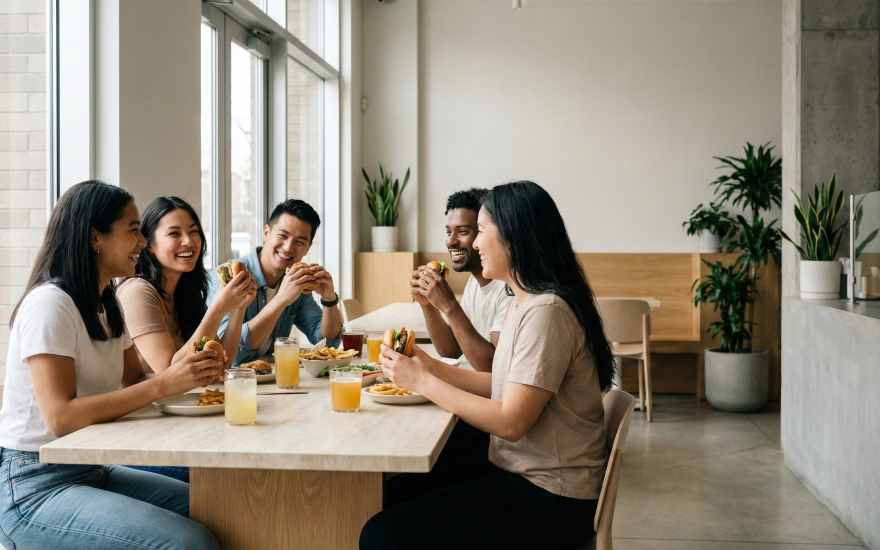
Restaurants are blending entertainment with gastronomy — transforming meals into events that blend sensory design, narration, and digital elements. Immersive concepts generate both press buzz and guest loyalty, particularly among younger demographics seeking shareable experiences.
From a management perspective, experiential dining requires seamless coordination among culinary, service, and event teams — making workforce scheduling and communication tools critical for consistent execution. With platforms like Push Operations, managers can optimize labor costs while ensuring staff alignment across dynamic service models.
How Are Fast Casual and Fine Dining Models Evolving in 2026?
The traditional lines between fine dining and fast casual are blurring. Forbes reports that fine dining in 2026 will focus less on exclusivity and more on comfort and inclusivity. Meanwhile, fast casual restaurants are adopting premium ingredients and elevated presentation while maintaining convenience-focused service.
- Flexible Staffing Models: Multi-skilled employees who can adapt to both service environments.
- Technology Integration: Self-ordering kiosks, contactless payments, and data-backed scheduling efficiency.
- Menu Versatility: Adapting high-quality offerings for grab-and-go formats without compromising on experience.
For HR professionals, this evolution underscores the importance of training and retention — investing in tools that streamline compliance, automate scheduling, and provide workforce insights across varied restaurant types.
What Workforce Changes Will These Dining Trends Create?
As 2026 dining trends reshape menus and dining experiences, they also redefine workforce expectations. Operators face growing pressure to attract and retain talent who understand technology, sustainability, and hospitality excellence.
Building a Future-Ready Restaurant Team
- Upskilling staff to handle automation, sustainability practices, and digital ordering tools.
- Promoting flexibility to accommodate shifting customer demand peaks.
- Using data analytics from tools like Push Operations to refine labor planning and forecast staffing costs.
As restaurants adopt more complex service models, effective labor management becomes a strategic advantage. With Push Operations, businesses can streamline scheduling, payroll, and compliance within a single platform — freeing leaders to focus on innovation instead of administration.
How Can Restaurant Owners Prepare for 2026’s Dining Transformation?
Preparation for 2026’s dining landscape means proactive investment, adaptation, and experimentation. Restaurants that evaluate new technology early, embrace sustainability initiatives, and empower their workforce will be best positioned for the next wave of industry growth.
Operational Takeaways for 2026 Success
- Adopt AI and automation tools that align with business goals.
- Regularly assess menu and design strategies against emerging consumer preferences.
- Strengthen workforce management through tech-forward solutions like Push Operations for efficiency and compliance.
In a constantly shifting environment, flexibility is power. The most successful operators will constantly adjust — balancing innovation with operational precision.
Conclusion
From AI-driven kitchens to sustainable menus and immersive dining experiences, the 2026 dining trends reveal a restaurant industry that is smarter, greener, and more human-focused. For owners and operators, the path forward requires both efficiency and adaptability — qualities that hinge on smart workforce management.
Platforms like Push Operations help restaurants streamline payroll, scheduling, and reporting, empowering managers to spend less time on admin and more time shaping extraordinary guest experiences.
Ready to future-proof your restaurant operations? Book a demo with Push to discover how workforce automation can keep your team ahead of 2026’s biggest dining trends.