How Can Restaurants Use Employee Scheduling Automation to Save Time and Reduce Labor Costs?

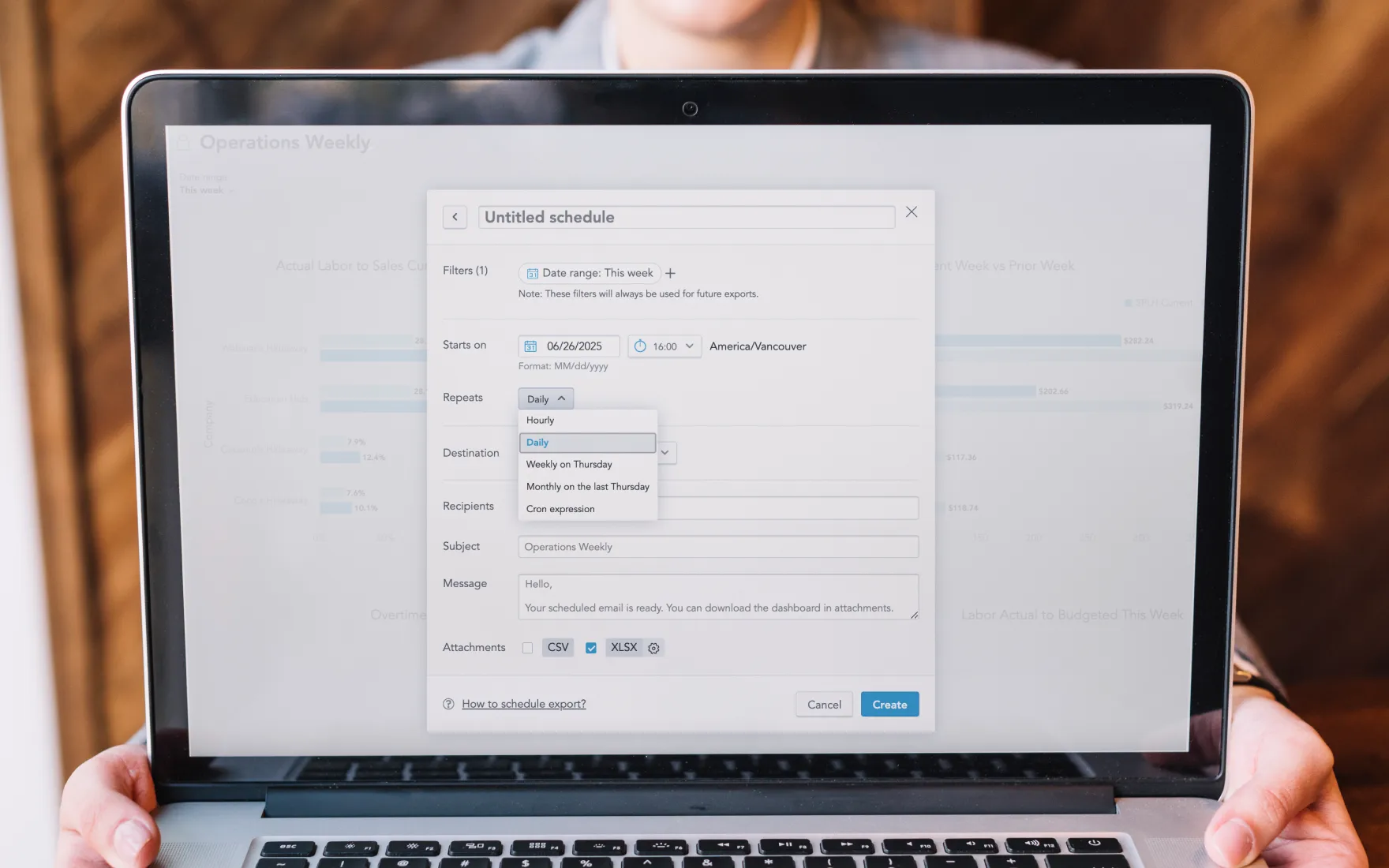
Manual employee scheduling continues to steal precious hours from restaurant managers every week. Between juggling shift changes, employee requests, and labor compliance, many operators find that their calendars become just as unpredictable as a busy dinner rush. With labor costs climbing and staff turnover accelerating, employee scheduling automation is quickly becoming an indispensable tool for restaurants looking to streamline operations, save money, and improve employee satisfaction.
Why Employee Scheduling Automation Matters for Restaurants
The restaurant industry is uniquely complex when it comes to workforce management. Staffing needs fluctuate daily based on foot traffic, weather, and local events. Managers often spend between 4 and 8 hours per week manually building schedules — time that could otherwise be used to coach staff, engage with guests, or manage costs.
At the same time, tight labor markets and compliance pressures leave operators walking a fine line between overstaffing and being caught short-handed. Push clients report saving 3% on labor costs through AI-driven scheduling that matches staffing with forecasted demand. Similarly, Shyft reports that automated scheduling can cut up to 80% of the time spent on manual scheduling tasks.
For a business where every minute and dollar counts, automation offers a way to reclaim both.
What Is Employee Scheduling Automation and How Does It Work?
Employee scheduling automation uses technology to automatically create, manage, and optimize shift schedules based on set parameters — such as availability, labor laws, and forecasted sales or traffic. Instead of building schedules by hand, managers can rely on software to populate shifts, assign employees by skill and preference, and adjust coverage dynamically.
Automated scheduling software, such as Push Operations, take this a step further by integrating with payroll and POS systems. This allows real-time data to inform scheduling decisions — for instance, increasing staff ahead of a large event or adjusting hours when sales dip. The system also ensures compliance by alerting managers if schedules violate local labor regulations or overtime thresholds.
When implemented effectively, automation eliminates the guesswork in scheduling and delivers a confident, data-backed labor plan.
Why Should Restaurants Automate Employee Scheduling?
Scheduling automation is far more than a digital convenience — it delivers measurable impact on profitability, compliance, and team morale.
The Real Cost of Manual Scheduling
Manual scheduling can consume hours each week. For restaurants operating multiple locations or dealing with seasonal traffic spikes, this process becomes unsustainable. By automating scheduling, managers can reallocate hours spent on repetitive administrative tasks back to customer experience and operational strategy.
Beyond time, manual scheduling can lead to costly errors. Missed compliance requirements or accidental overscheduling of employees can result in fines or internal dissatisfaction. Compliance-focused scheduling tools help prevent labor law violations by automatically applying local and federal standards to every schedule.
When restaurant operators align scheduling to demand, they can also eliminate common inefficiencies like overstaffing during slow shifts or unneceddary overtime premiums.
The bottom line: automation gives operators control and consistency that manual planning simply cannot match.
How Does AI Improve Employee Scheduling?
The latest generation of scheduling tools leverages AI employee scheduling capabilities, using predictive analytics to anticipate business needs and allocate labor efficiently.
AI-driven workforce platforms help restaurants align staffing with real-time demand, reducing turnover and improving employee morale. The technology learns from historical sales, weather, and seasonal trends to forecast when restaurants will be busiest and when labor should be scaled back.
Predictive Scheduling Meets Real-Time Adjustments
AI scheduling tools can automatically adjust for dynamic variables like sudden weather changes, unexpected reservations, or staffing callouts. For example, if a restaurant’s POS data shows a midweek surge in takeout orders, AI can respond by recommending additional kitchen coverage.
This continuous learning cycle enables smarter decision-making. Over time, managers gain the ability to plan ahead — turning what used to be reactive scheduling into proactive workforce strategy.
What Are the Key Benefits of Automated Employee Scheduling for Restaurants?
When implemented with the right technology, workforce scheduling automation delivers measurable results across operational, financial, and cultural dimensions.
- Time Savings: Shyft found that automation can reduce scheduling time by up to 80%, freeing managers to focus on service and growth.
- Cost Control: Push clients report that AI-enabled scheduling reduces labor costs by up to 3% by aligning staffing with forecasted demand.
- Compliance Confidence: Scheduling platforms with built in compliance and labor guides reduce legal risk and fines.
- Employee Engagement: Digital scheduling platforms create fairer, more transparent schedules, promoting better work-life balance and reduced turnover.
Tangible ROI of Scheduling Automation
The return on investment extends beyond operational metrics. Flexible and transparent scheduling improves staff morale — employees who feel empowered with visibility into their shifts are more likely to stay. Reduced turnover directly impacts profitability, as retaining experienced staff saves on training and hiring costs.
What Features Should You Look for in Automated Employee Scheduling Software?
Selecting the right automated employee scheduling software means finding a system that integrates smoothly across your restaurant’s ecosystem.
Key features to prioritize in a scheduling platform include:
- Integration with POS, Payroll, and HR systems: Enables real-time data synchronization and accuracy.
- Mobile Accessibility: Allows employees to view schedules, swap shifts, or request time off from any device.
- AI Forecasting: Predictive capabilities align labor needs with expected demand.
- Compliance Monitoring: Alerts managers when schedules breach legal requirements or budget limits.
- Analytics and Reporting: Measures overall scheduling performance and labor efficiency.
Integration Matters — Why Your Systems Must Talk to Each Other
An integrated system ensures every component — from sales forecasting to payroll — communicates effectively. With a platform like Push Operations, managers gain a unified view of labor costs, scheduling, and compliance in one place. When systems talk to each other, data-driven decisions become faster, more accurate, and ultimately more profitable.
How Do You Set Up Automated Shift Scheduling in a Restaurant?
Implementing an automated shift scheduling system requires a blend of strategic planning and team alignment.
- Step 1: Assess Current Processes: Identify scheduling frustrations such as last-minute changes, overtime costs, or compliance issues.
- Step 2: Choose the Right Tool: Select a platform that integrates with your POS and payroll systems, offers scalability, and supports your budget.
- Step 3: Input Staff Data: Include employee roles, skills, preferences, and availability to build accurate schedules.
- Step 4: Pilot and Test: Start with a single location or department to refine the process.
- Step 5: Train Staff: Ensure team members know how to access, update, and manage their schedules through the system.
- Step 6: Review and Optimize: Use performance reports and employee feedback to make continual improvements.
Best Practices for Change Management
Transitioning to automation requires clear communication. Engage employees early, demonstrate how automation benefits them, and provide transparent training. When staff understand that automation creates fairness and flexibility, adoption rates improve significantly.
How Can Automated Scheduling Improve Employee Engagement and Retention?
Employee satisfaction is directly connected to how schedules are created and communicated. Fair, predictable scheduling fosters trust, while chaotic last-minute changes quickly erode morale.
Automation helps in three key ways:
- Fairness and Transparency: Every schedule follows consistent logic, removing favoritism or manual bias.
- Empowerment: Employees can swap shifts or manage availability through self-service tools, improving flexibility.
- Work-Life Balance: AI forecasting ensures schedules are set with enough notice, reducing burnout.
Employees that are offered flexible and transparent scheduling are more engaged and less likely to leave — saving restaurants significant rehiring and training costs.
What’s Next for Restaurant Workforce Scheduling Automation?
The future of workforce scheduling automation lies in deeper AI integration, smart forecasting, and automated compliance management. Emerging tools will continue to use data from POS transactions, traffic patterns, and even local event calendars to improve predictive accuracy.
Platforms like Push Operations are already advancing this transformation by unifying scheduling, payroll, and compliance tools into one seamless system. As technology grows, restaurant managers will gain even stronger command over labor budgeting, compliance adherence, and employee satisfaction.
How Can Push Operations Help Automate Restaurant Scheduling?
Push Operations simplifies every aspect of restaurant scheduling by bringing automation, payroll integration, time tracking data, and compliance management together in one intuitive platform.
Push's automated scheduling platform helps managers:
- Build accurate schedules in minutes instead of hours.
- Align labor spending with demand forecasts.
- Stay compliant with shifting labor laws automatically.
- Increase employee satisfaction through transparent and flexible scheduling.
By managing all workforce data from a single source of truth, Push Operations empowers restaurants to operate with precision, consistency, and confidence.
Conclusion: Streamline Schedules and Strengthen Operations
In today’s fast-paced hospitality environment, restaurant success depends on more than great food — it requires operational excellence powered by smart technology. Employee scheduling automation gives operators the edge they need to control costs, ensure compliance, and maintain a happier, more reliable workforce.
By embracing automation, restaurants can reclaim valuable time, reduce overhead, and build stronger, more motivated teams ready for service at any pace.
Ready to automate your scheduling? Book a demo with Push Operations to see how automation can transform your restaurant’s scheduling, compliance, and profitability!