How to Master Holiday Scheduling for Restaurants: Proven Tips to Keep Staff Happy and Operations Smooth


The holiday rush fills dining rooms with laughter, clinking glasses, and the aroma of festive dishes. But behind the scenes, it can also bring chaos to restaurant scheduling. With staff requesting time off, customers lining up for reservations, and labor costs rising, creating balanced and efficient schedules can feel like a seasonal test of endurance. The good news? A smarter approach — and the right technology — can make all the difference.
Why Is Holiday Scheduling So Challenging for Restaurants?
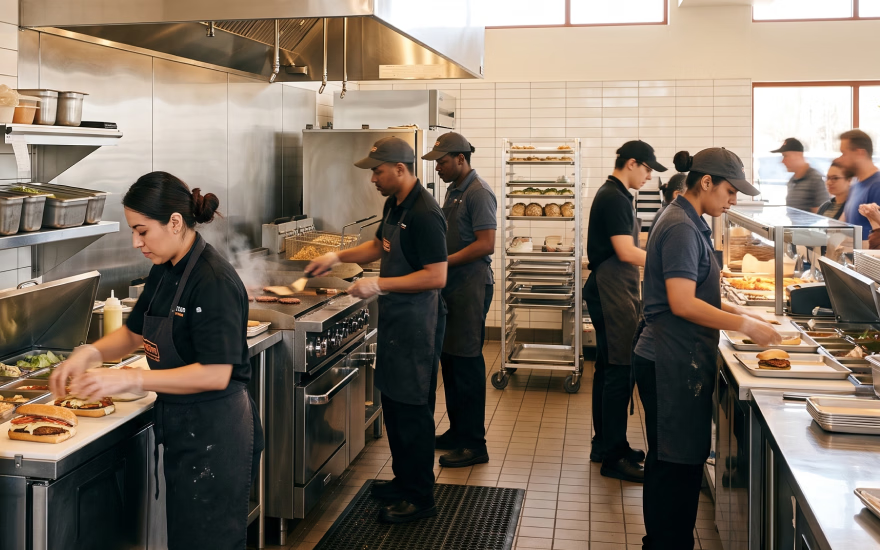
The holiday season is a make-or-break period for restaurants. While sales surge, staffing headaches often follow. Many establishments grapple with keeping enough team members on the floor without overworking them or breaching overtime regulations.
High turnover and labor shortages remain persistent issues in the industry. Seasonal hires are less experienced, and many full-time employees request time off for family gatherings. This combination leads to unpredictable staffing gaps and scheduling conflicts.
Several key factors make holiday scheduling particularly difficult for restaurants:
- Increased demand for services, often requiring longer operating hours.
- Employee time-off requests, especially from senior staff expecting holidays off.
- Labor cost management, as premium pay rates can apply on holidays and weekends.
- Compliance challenges, since overtime and labor laws differ by state or province.
The result is a perfect storm for restaurant managers who must protect both profitability and team morale. That is why more operators are turning to digital scheduling platforms like Push Operations, which centralize time-off requests, shift changes, and labor forecasting to maintain balance even when business peaks.
How Can Restaurants Plan Ahead for the Holiday Season?
Preparation is the secret ingredient to any successful holiday schedule. The earlier planning begins, the smoother the operation runs when the rush hits.
Set Clear Time-Off and Availability Policies Early
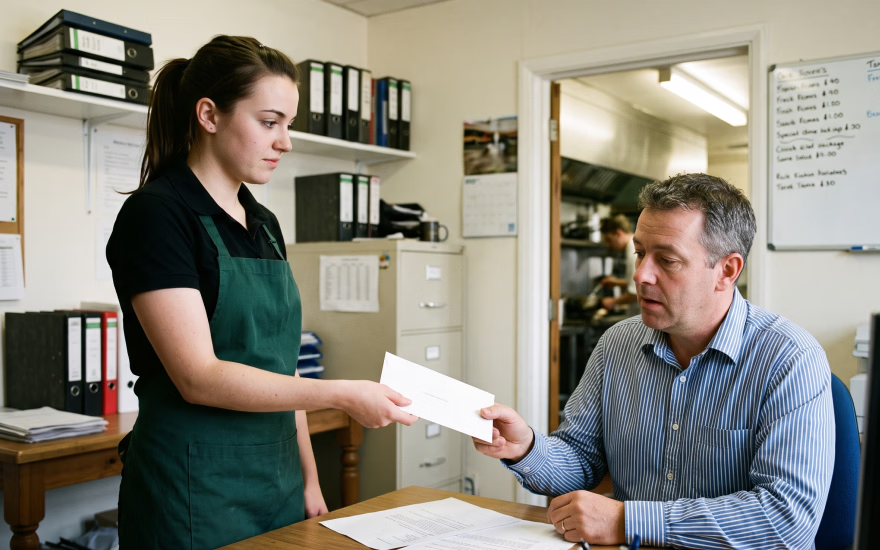
Establishing transparent rules is essential. Require employees to submit holiday time-off requests several weeks — or months — in advance. Many successful operators use scheduling tools to manage these submissions efficiently. A centralized digital system prevents confusion, enables fair approval processes, and provides visibility for the entire team.
Clear communication also matters. Managers should remind staff of deadlines in meetings and employee groups to avoid last-minute surprises.
Forecast Demand Using Historical Sales Data
Analyzing prior seasons can reveal valuable insights into expected customer volume. By integrating your scheduler, like Push Scheduling, with your POS and reservation system, you can forecast sales hour-by-hour. This helps to anticipate peak periods and staff accordingly.
For instance, reviewing last December’s sales, reservations, and labor costs can guide staffing levels for this year. Combining historical data with real-time sales forecasting minimizes the risk of overstaffing or understaffing — a balance crucial for sustaining healthy profit margins.
What Are the Best Practices for Restaurant Holiday Staff Scheduling?
A well-planned schedule balances fairness, efficiency, and flexibility. Achieving that balance can directly enhance retention and performance during the high-pressure season.
Best practices include:
- Prioritize fairness and transparency. Rotate in-demand shifts annually so the same employees are not always working peak holidays.
- Offer early sign-ups for key shifts. Allow team members to choose preferred hours when possible, which can increase satisfaction and cooperation.
- Communicate schedules early. Giving several weeks’ notice helps employees plan personal commitments while reducing absenteeism.
- Automate scheduling with technology. Using a platform like Push Operations Scheduling makes it easy to assign roles, monitor coverage, and adjust shifts in real time.
As Toast notes, automation not only improves scheduling speed but also reduces human error. Managers save hours each week that can instead be dedicated to coaching, quality control, and guest experience — core elements of restaurant success.
How Can Restaurant Managers Avoid Scheduling Conflicts During the Holidays?
Conflicting shifts and double bookings cause frustration and inefficiency. The key to preventing these issues lies in proactive systems and skilled flexibility.
Use Centralized Scheduling Platforms
A digital scheduling hub ensures everyone operates from a single source of truth. Cloud-based tools such as Push Operations allow employees to view real-time schedules, submit changes, or swap shifts with approval — removing confusion that often arises from manual spreadsheets.
When managers can see availability and staffing coverage in one dashboard, conflicts become easier to spot before they impact service quality.
Ensure Cross-Training and Adaptability
Cross-training enables staff to fill in when others are unavailable. Employees who can handle multiple roles — such as hosts helping with bussing or line cooks supporting prep — reduce the stress of unexpected absences.
Cross-functionality is particularly useful for smaller independent restaurants with leaner teams. A culture of flexibility ensures that when the dining room fills unexpectedly, coverage never falters.
How Can Technology Help Manage Restaurant Shifts During the Holiday Season?
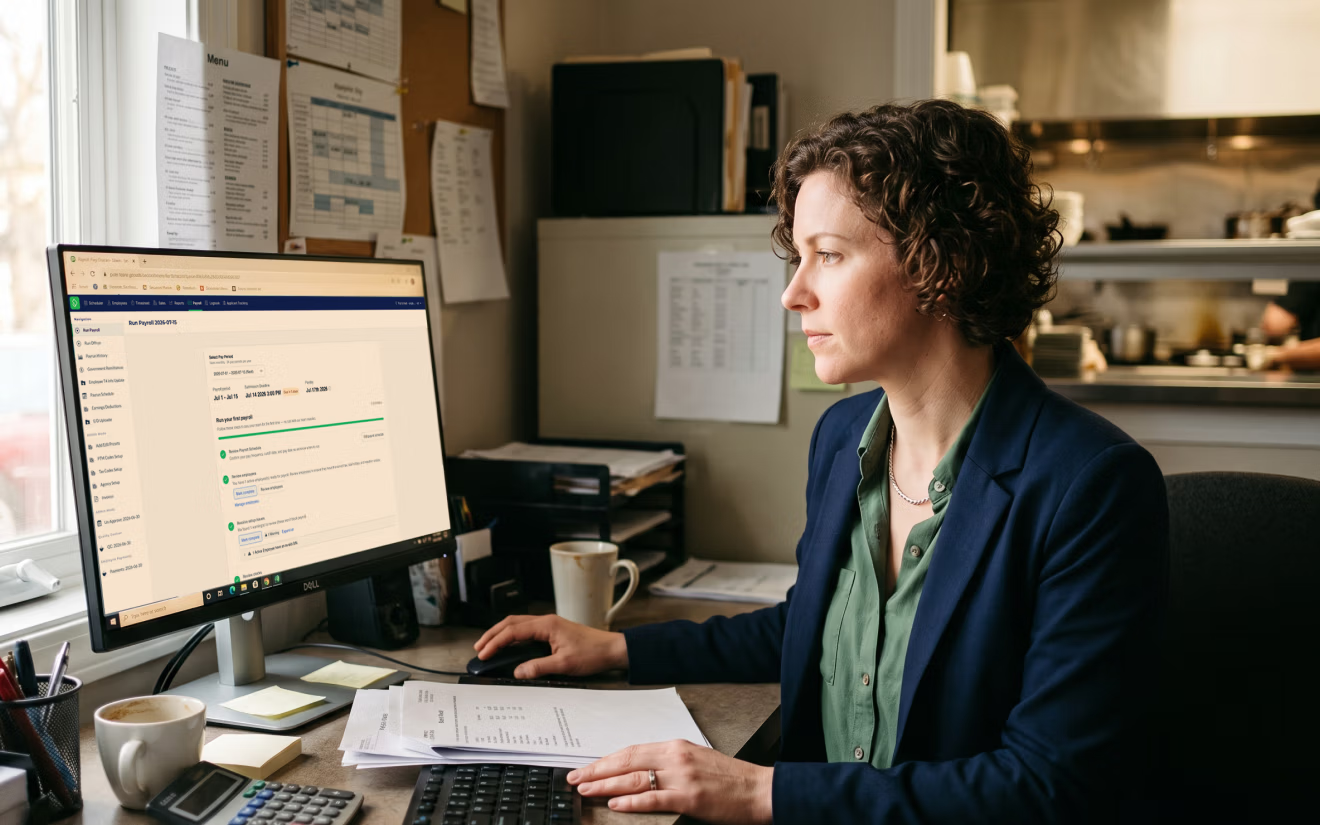
Technology transforms tedious manual scheduling into a dynamic, data-driven process. Workforce management platforms like Push Operations integrate scheduling, time tracking, payroll, and compliance into one streamlined solution.
Real-time scheduling tools improve labor forecasting and compliance while reducing admin work. The system automatically factors in employee availability, labor laws, and sales forecasts to build optimized rosters.
Other benefits include:
- Automated alerts for potential overtime.
- Real-time communication to accommodate sudden callouts.
- Integration with POS systems to align staffing levels with actual demand.
These dynamic tools reduce errors and empower managers to make decisions based on data rather than gut instincts — a crucial advantage for profit-conscious restaurants during busy seasons.
How Do Restaurants Motivate Staff During the Holiday Rush?
A motivated team is a restaurant’s strongest asset during the holidays. Keeping morale high ensures smoother service, fewer absences, and greater guest satisfaction.
Reward Hard Work with Incentives
Simple gestures go a long way. Offering bonuses, special shift meals, or paid time off for future use can boost engagement. Recognition programs during staff meetings or end-of-season celebrations further strengthen team bonds.
Recognition and reward are key motivators in maintaining a positive workplace culture, especially when schedules get hectic.
Encourage Team Spirit and Open Communication
Maintaining an appreciative atmosphere pays off in productivity. Managers who proactively listen to concerns or engage staff in scheduling decisions see greater buy-in. A transparent and collaborative approach fosters loyalty that carries beyond the holiday season.
How Can Restaurants Control Labor Costs During the Holiday Season?
While staffing for demand is critical, keeping labor costs in check can determine profitability. Modern scheduling tools now pair with POS systems to give operators unprecedented financial oversight.
Link Scheduling With Payroll and POS Data
Integration across scheduling, payroll, and point-of-sale platforms creates real-time visibility into labor performance. For example, Push integrates with many leading restaurant-specific POS systems like Toast, TouchBistro, Lightspeed, Maitre'D, and Squirrel to monitor labor-to-sales ratios each shift, preventing labor cost overruns.
By syncing these systems, managers can identify trends — such as slower hours with excessive staffing — and make immediate adjustments.
Track Compliance and Overtime Automatically
Automating compliance tracking protects businesses from costly violations. Digital workforce tools alert managers before an employee exceeds scheduled hours or breaches labor laws.
This precision eliminates manual errors and promotes financial efficiency while maintaining employee satisfaction through accurate pay and time recording.
What Are Real-World Examples of Successful Holiday Scheduling in Restaurants?
Industry trends show technology adoption steadily improving scheduling outcomes. NRN’s analysis reveals that restaurants implementing predictive scheduling based on sales data experience fewer understaffing incidents. Similarly, Restaurant Dive reports that workforce tools enhance talent retention by increasing staff control over schedules.
Restaurants leveraging platforms like Push Operations often report:
- Faster scheduling processes (hours reduced to minutes).
- Improved accuracy and reduced overtime expenses.
- Higher employee satisfaction scores thanks to schedule transparency.
These technology-driven successes showcase how operational excellence is not merely about keeping seats filled — it is about keeping teams empowered and engaged.
Conclusion: Ready to Simplify Holiday Scheduling This Season?
Holiday scheduling does not have to be a balancing act between chaos and control. With early planning, transparent communication, and the right technology, restaurant operators can deliver consistent service while protecting profitability. Prioritizing staff engagement ensures a motivated team that delivers exceptional guest experiences, even when the kitchen is at full throttle.
A well-built schedule powered by Push Operations streamlines every step — from forecasting demand to optimizing labor costs.
Ready to simplify holiday scheduling? Book a demo with Push to discover how simple and effective your holiday scheduling can be this season — and every season after.